
Tyre replacement
New Tyres, Fitted Where You Are
Tyres going bald, or one you just don't trust any more? We'll help you choose the right replacements, then fit them on your drive or in your work car park.
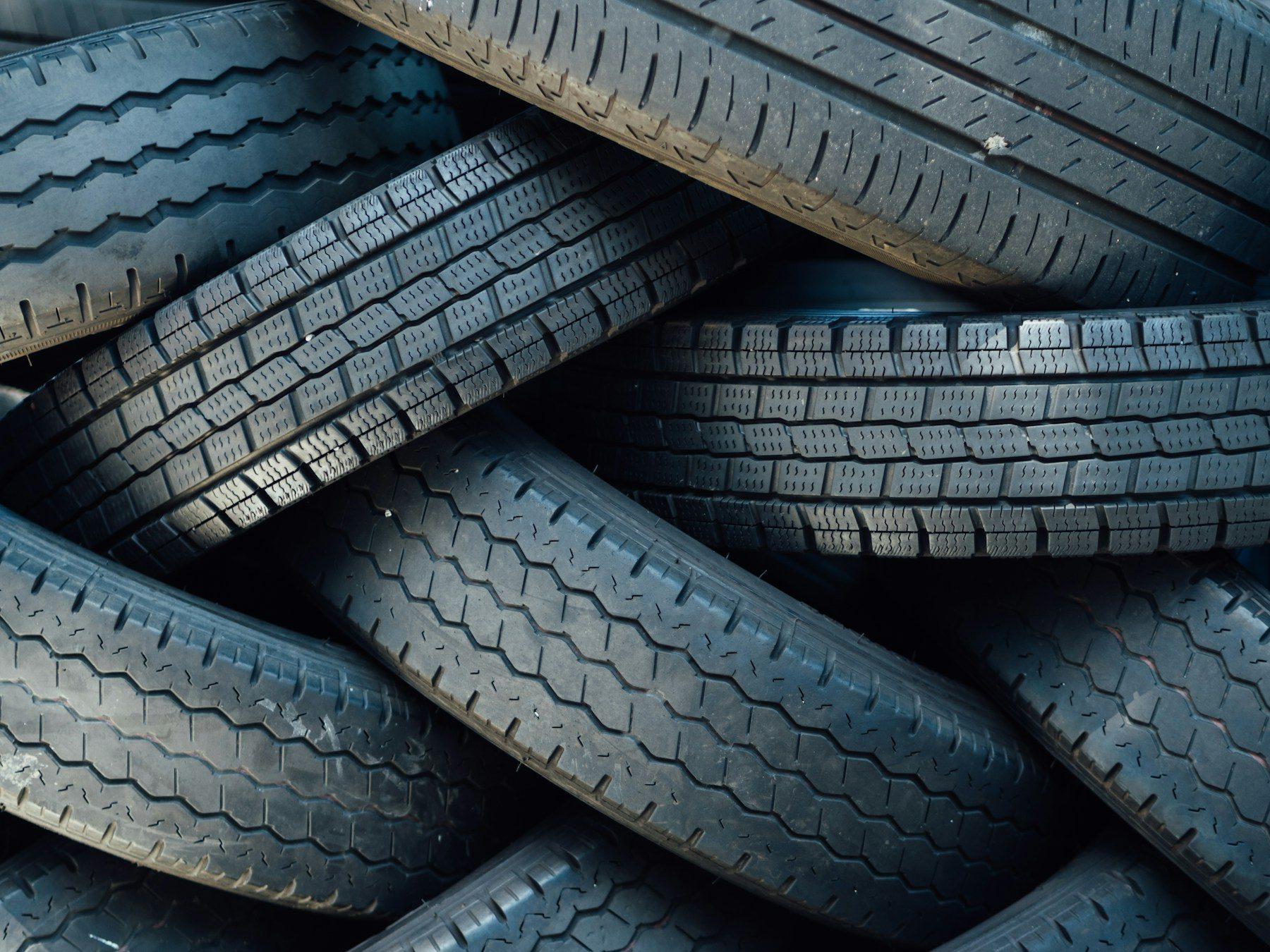
Is it time?
Six signs your tyres need replacing
Go and have a look at yours. If any of these sound familiar, it's worth getting them sorted.
1.6mm
The legal limit
Across the central three-quarters of the tread, all the way round. Below that it's illegal, and wet grip is already well down.
3mm
When we'd change them
Plenty of drivers swap at around 3mm. Stopping distances in the wet get noticeably longer below that.
Cracks
Ageing rubber
Fine cracks in the sidewall or between the tread blocks mean the rubber's getting old, even if there's tread left.
Bulges
Lumps on the sidewall
Usually from a pothole or kerb. It means the structure inside is damaged. Don't drive on it any further than you have to.
Wear
Uneven wear
Worn on one edge or in the middle? That points to tracking or pressures. We'll mention it so it doesn't happen to the new ones.
Cords
Anything showing through
If you can see wire or fabric, the tyre needs changing today. Ring us rather than driving on it.
Driving on tyres below the legal limit can mean a fine of up to £2,500 and three penalty points per tyre. More on when to replace tyres
Choosing tyres
Budget, mid-range or premium?
There's no single right answer. It comes down to how much you drive, what you drive and what you want to spend. Here's how we'd think about it.
Budget
Lowest price, suitable for lower-mileage driving.
Mid-range
Good balance of price, grip and wear. Our most popular choice.
Premium
Leading brands with the best wet grip, noise and longevity.
Match my existing tyres
We fit the same brand and pattern as the other tyres on the car where possible.
Not sure, advise me
We will recommend options when we quote.
Good to know
Pairs, run-flats and that label on the tyre
Replacing in pairs
You don't have to by law, but we'd usually suggest changing tyres in pairs on the same axle so both sides grip and wear evenly. If one tyre's nearly new and the other's damaged, a single tyre can be fine. We'll tell you which applies.
Run-flat tyres
If your car came on run-flats, it usually doesn't carry a spare, so it's best to stick with them. We can fit them on site.
The tyre label
New tyres come with a label rating wet grip, fuel efficiency and outside noise. Wet grip is the one we'd look at first. Ask us and we'll read it with you.
On the day
How we fit your new tyres
A small deposit books it in. When we arrive you pay the balance, and then we crack on.
Allow about half an hour a tyre, or around an hour for a full set.
- 1
We check what's on there now
Size, load and speed rating, and the condition of the other tyres, so the new ones match properly.
- 2
Old tyre off, new one on
Done on the tyre machine in the van, with a fresh valve where your car uses rubber ones.
- 3
Balanced and torqued
Every wheel's balanced on the van, then the nuts go back on to the manufacturer's torque setting.
- 4
Pressures set, old tyre away
We set the pressures, reset the TPMS warning where needed and take the old tyre for recycling.
Paying for your tyres
A deposit to book. The rest when we arrive.
Simple as that. You'll always know the full price before you pay a penny.
1
When you book
Pay a small deposit once we've confirmed your tyres and time. It holds your slot and covers us ordering tyres in for you.
2
When we arrive
Pay the balance when the van turns up, then we get on with fitting. Your deposit comes off the total, so you never pay twice.
Your size
Pick your size, get a price
It's on the sidewall. Pick each part and we'll quote for it. You pay the rest when we arrive.
Tyre size helper
Find your tyre size
Read the marking on the sidewall of your current tyre, for example 205/55 R16 91V, and pick each part below. The size is also on the tyre placard inside the driver's door frame or in the handbook.
First number, e.g. 205
After the slash, e.g. 55
After the R, e.g. 16
Two or three digits, e.g. 91
Final letter, e.g. V
Your size
205/55 R16 91V
Never fit a lower load index or speed rating than your vehicle manufacturer specifies. If in doubt, tell us the registration and we will check with you.
Get a quote for this sizeOther services
Something else going on?
Everything you'd get at a tyre garage, just done on your driveway, in your work car park or at the side of the road.
- 01
 Flat tyre todayGet the car somewhere safe and give us a ring. We'll tell you straight how soon we can get to you.Urgent
- 02
 New tyres, fitted at yoursBudget, mid-range or premium. Tell us your size and we'll turn up with the right tyres.Most booked
- 03
 Puncture repairsIf it's safe to repair, we'll repair it. If it isn't, we'll show you why before we talk about a new one.Repair first
FAQs
Replacement questions
Tell us your size. We'll do the rest.
Tell us where the car is and what you need. We'll confirm the price and a time, a small deposit books it in, and you pay the rest when we arrive.