
Puncture repair
Puncture Repairs, Done Properly or Not at All
A nail in the tread doesn't always mean a new tyre. If yours can be safely repaired, we'll repair it on your drive. If it can't, we'll show you the damage and explain why.
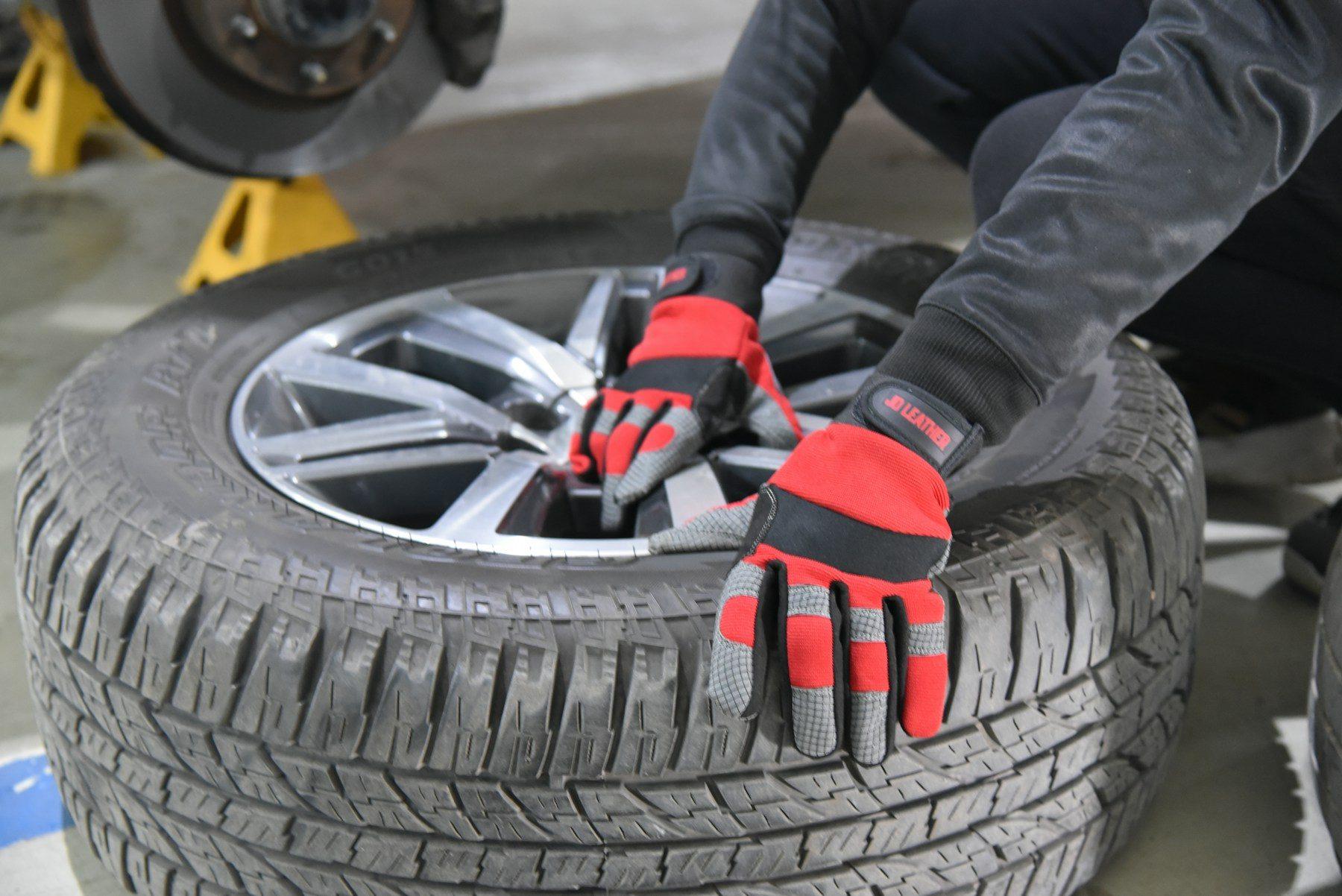
The rules we follow
Not every puncture can be repaired. Here's how we decide.
Car tyre repairs in the UK are covered by a British Standard, BS AU 159. It sets out where on a tyre a repair is allowed, how big the damage can be and how the repair has to be done. We stick to it.
The short version: repairs are only allowed in the central part of the tread, roughly the middle three-quarters, and the hole can't be more than 6mm. That's the area that flexes least. The sidewall flexes constantly, so a repair there won't last and isn't safe.
And we always take the tyre off the wheel to look inside first. A tyre that looks fine from the outside can be badly damaged within if it's been driven on low.
Usually repairable
We can probably fix it if…
- The hole's in the central part of the tread
- It's no bigger than 6mm across
- The tyre hasn't been driven on while flat
- There's no damage on the inside of the tyre
- It hasn't already had too many repairs
Needs replacing
We won't repair it if…
- Anything in the sidewall or the shoulder
- Holes bigger than 6mm, cuts and tears
- Tyres that have been run flat (the inner wall gets crushed)
- Run-flats that have been driven on deflated
- Tyres full of some types of sealant
If we say a tyre can't be repaired, we'll show you exactly why. You'll see the damage for yourself.
How we repair it
Four steps, about half an hour
A small deposit secures your booking. You pay the rest when we arrive.
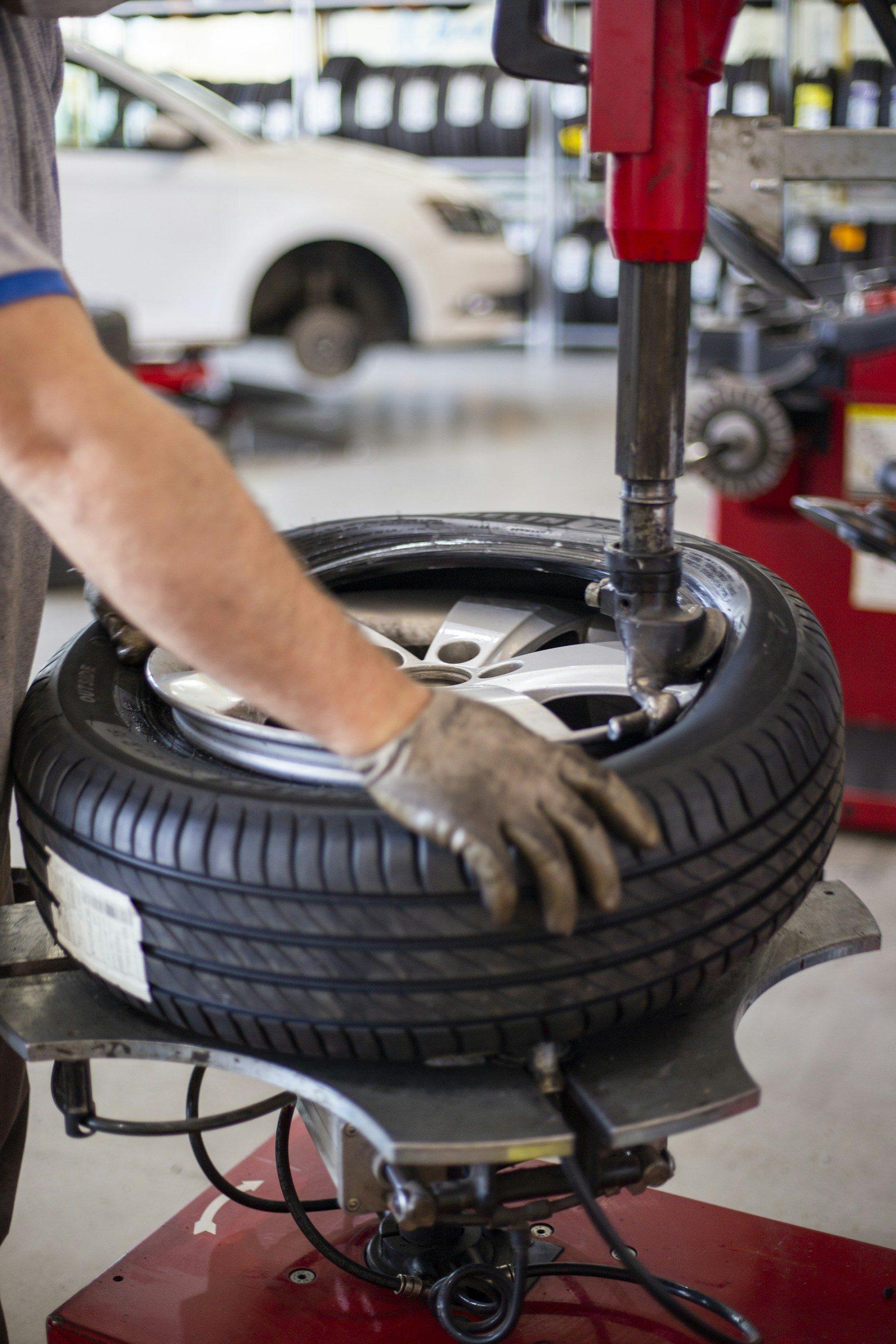
- 1
Find the leak
We take the wheel off and find exactly where the air's escaping, usually a nail or a screw.
- 2
Tyre off, look inside
This is the bit that matters. The tyre comes off the rim so we can check the inner wall for damage you can't see from outside.
- 3
Repair from the inside
If it passes, we fit a combined plug and patch from the inside, which seals the hole and the inner liner together.
- 4
Refit and balance
Tyre back on, balanced on the van, pressures set and the wheel torqued back on.
Why not just a plug from outside?
A plug pushed in from the outside doesn't let anyone check the inside of the tyre, and it doesn't meet the standard for a permanent repair. We don't do them.
Used a can of sealant?
Tell us when you book. Sealant has to be cleaned out before a repair will stick, and some products make repairing impossible.
What it costs
A repair costs much less than a new tyre. If we find it can't be repaired, we'll quote for a replacement there and then.
See our pricingOther services
Turns out it needs more than a repair?
Everything you'd get at a tyre garage, just done on your driveway, in your work car park or at the side of the road.
- 01
 Flat tyre todayGet the car somewhere safe and give us a ring. We'll tell you straight how soon we can get to you.Urgent
- 02
 New tyres, fitted at yoursBudget, mid-range or premium. Tell us your size and we'll turn up with the right tyres.Most booked
- 03
 Worn or tired tyresLow on tread, cracking on the sidewall or a bulge you don't like the look of? We'll check them over and talk you through it.Advice
FAQs
Puncture questions
Got a nail in your tyre? Let's have a look.
Tell us where the car is and what you need. We'll confirm the price and a time, a small deposit books it in, and you pay the rest when we arrive.